
Give us a call or use our Contact Us Page and let us know what we can do to help you with your welding needs. As you can see below we can do all types of welding and of different materials. We have the capability to do Tig, Mig and Stick Welding.
TIG Welding
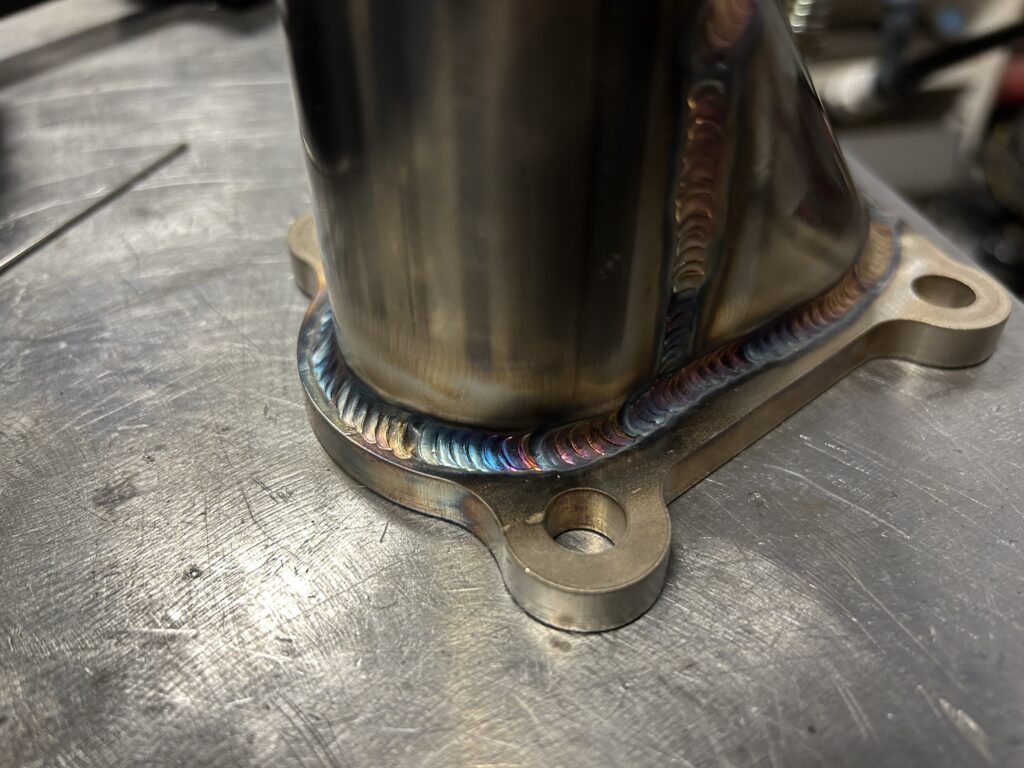
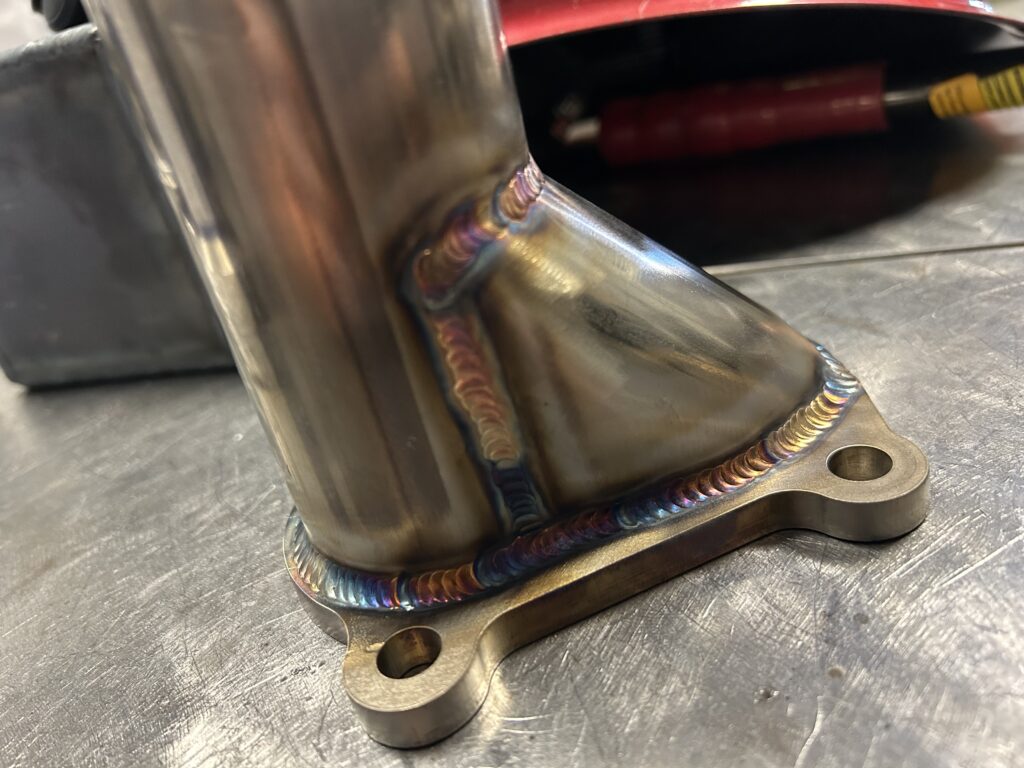
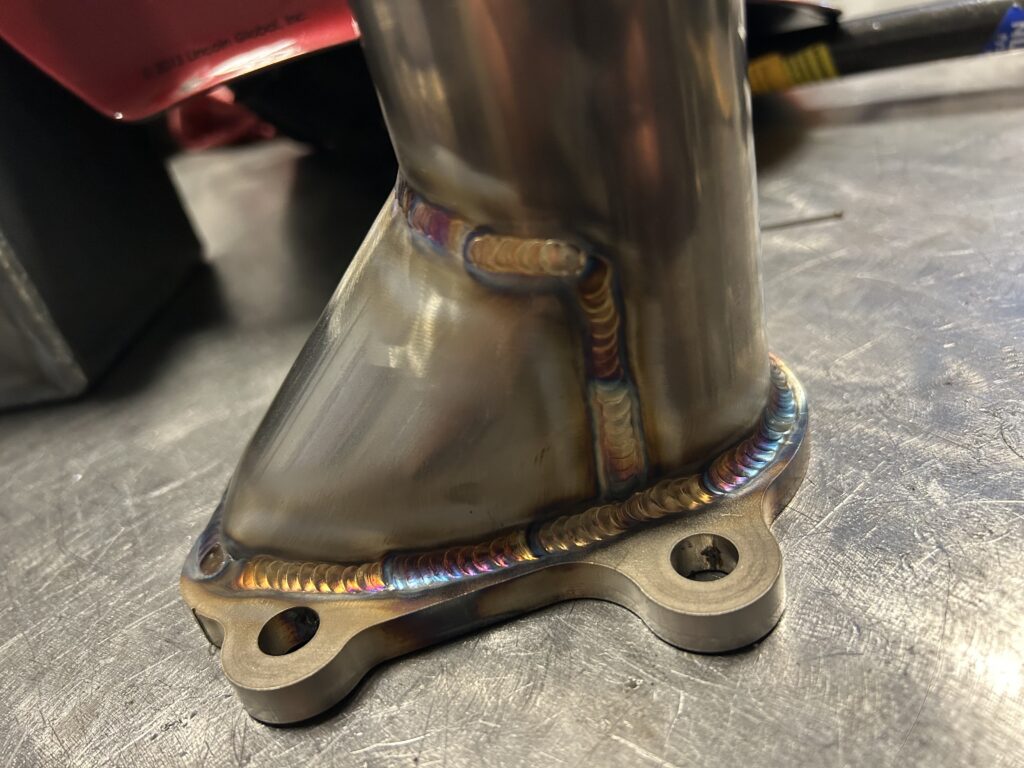
Tungsten Inert Gas (TIG) welding is the common name, however some may refer to this type of welding as Gas Tungsten Arc Welding (GTAW). TIG welding utilizes a tungsten electrode that is considered a non-consumable and a separate filler rod material.
The filler rod is hand fed into the puddle being generated by the tungsten electrode arc. Tungsten size and filler rod diameter will change the same way wire diameter changes on a MIG welder depending on material type and thickness. TIG welding utilizes 100% Argon shielding gas because of the fact that CO2 creates Tungsten Oxide which can wear down the tungsten and also contaminate the weld with oxides.
TIG welding machines have a lot more flexibility and adjustments. In addition to the machine itself, the welding process will also utilize a foot or torch control that allows the person welding to adjust the amperage of the arc based on what the joint is requiring.
MIG Welding
Metal Inert Gas (MIG) welding is the common name, however some may refer to this type of welding as Gas Metal Arc Welding (GMAW). MIG Welding is a semi-automatic or in some cases automatic arc to weld. This type of welding uses a spool of consumable wire as the electrode and a shielding gas, both of which are fed through a lead to a welding gun. The shielded gas in MIG welding is typically a blend of 75% Argon / 25% CO2
The wire diameter and type of wire being used, will vary depending on the thickness and type of material being welded, in addition to the type of joint being welded. With MIG welding, there are two different adjustments for the welder, voltage and wire speed. These two variables are adjusted to obtain the right amount of weld material to the area being welded.
What’s the Difference?
TIG welds are typically stronger than MIG welds. The main reason for this is that the grounded tungsten point on a TIG torch allows for a more focused arc generating more localized heat Into the material being welded allowing for more penetration into the metal. In addition, TIG is considered the cleanest / purest weld process which minimizes contaminates into the weld.
TIG welding is a slower process than MIG welding, mainly do to the fact that the operator has to manually feed the filler rod into the puddle, as opposed to the MIG process that feeds the filler material semi-automatically when the operator pushes the trigger.
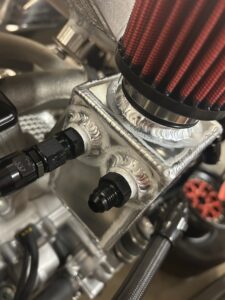
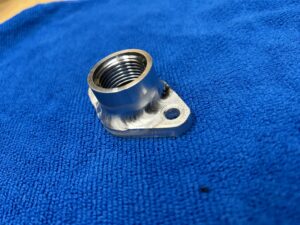
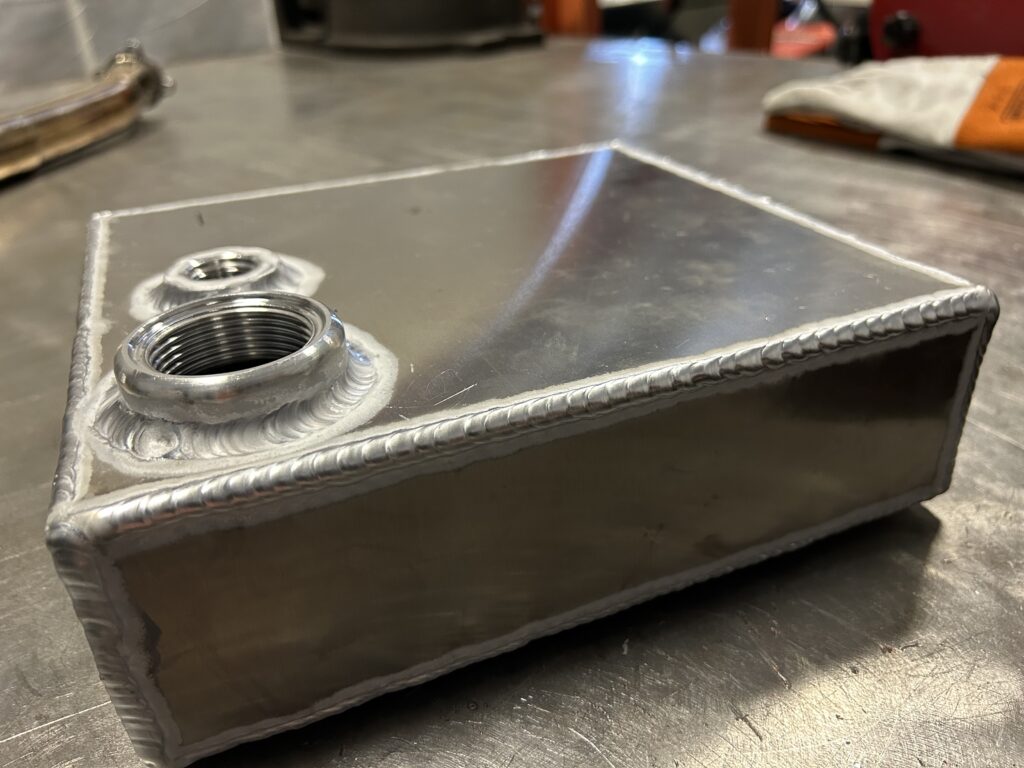
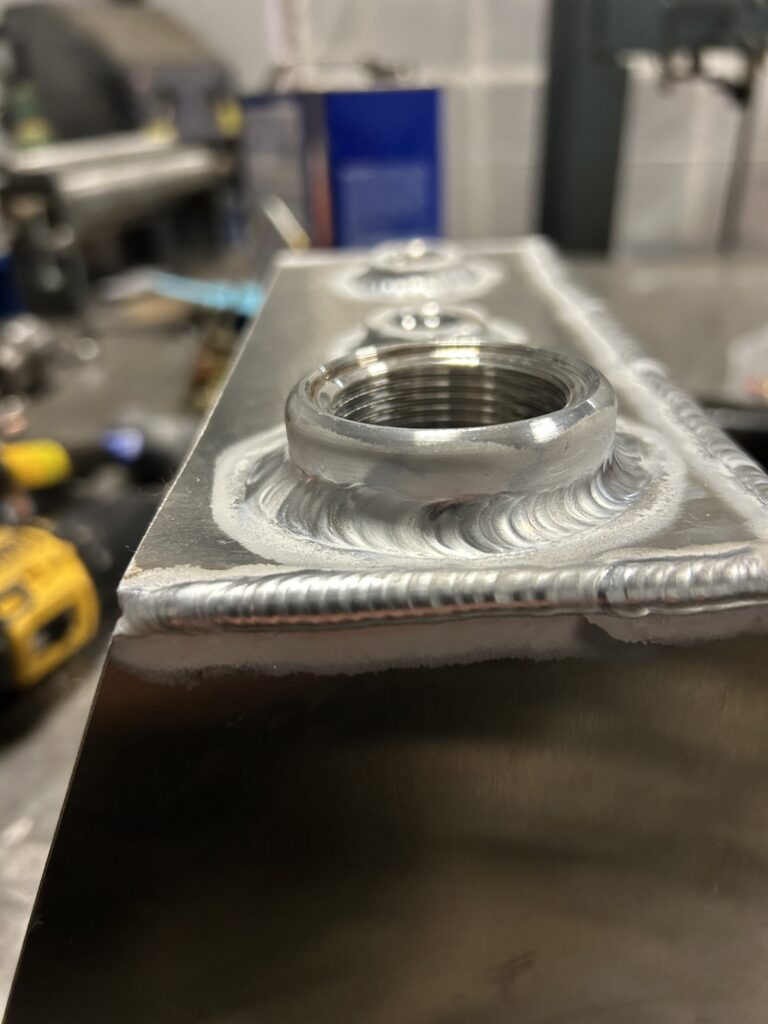
Both types of welding can do materials such as Stainless Steel and Aluminum, however when it comes to setup and ease, TIG welding is usually best suited for these applications.
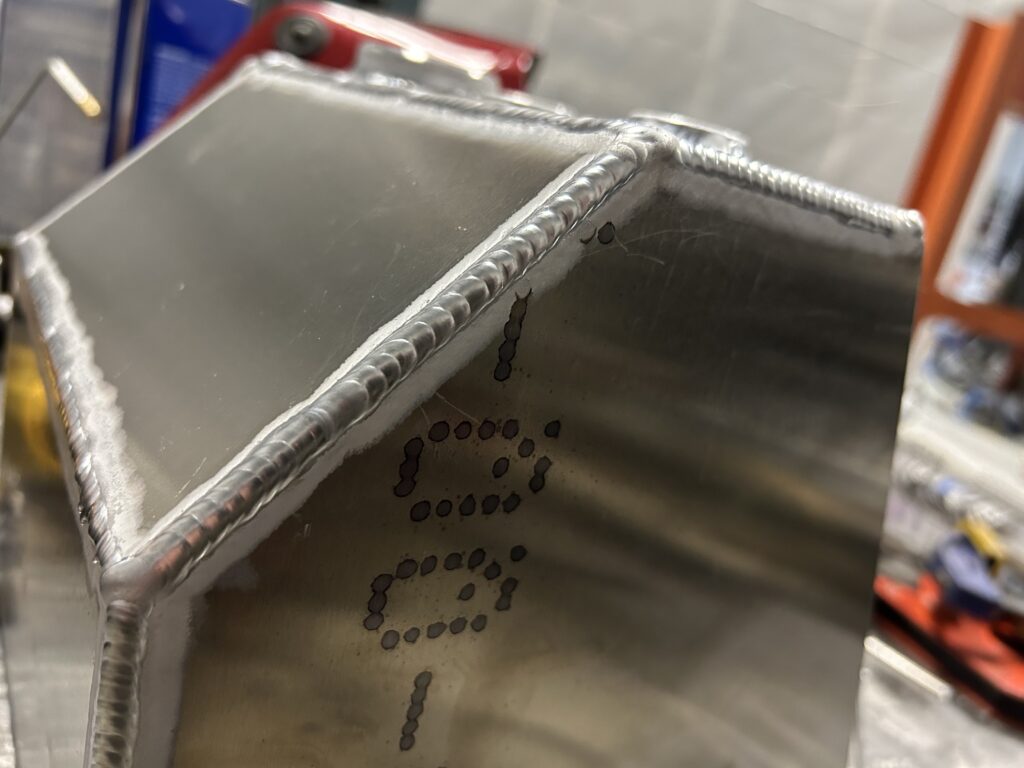
Aluminum Welding
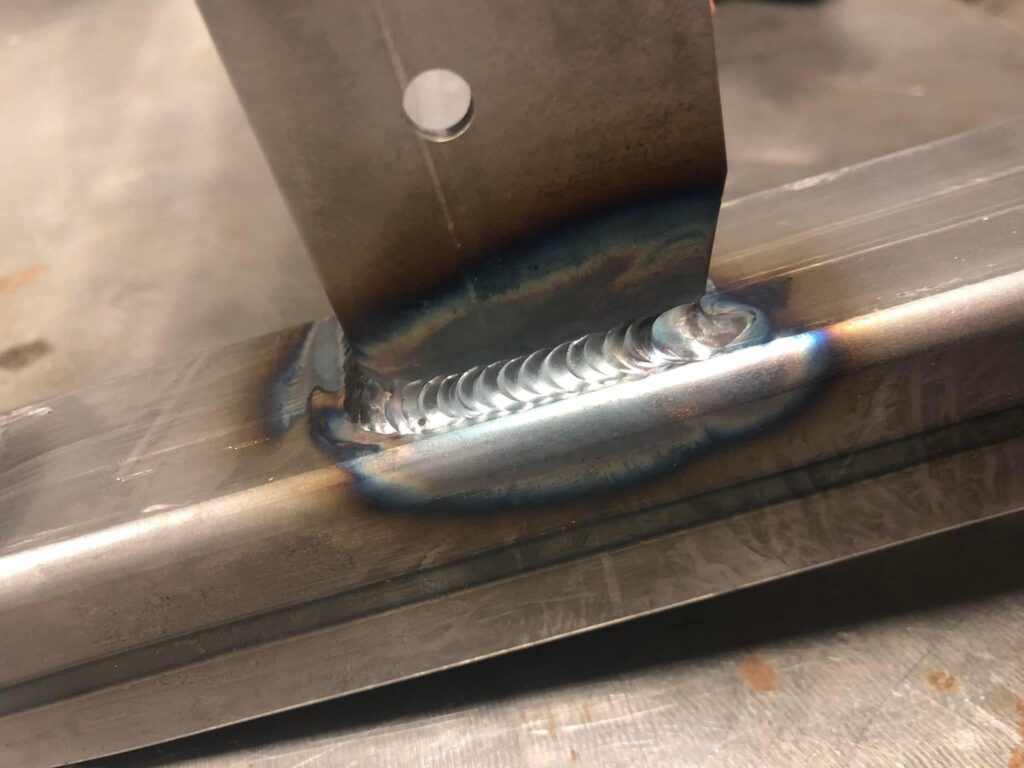
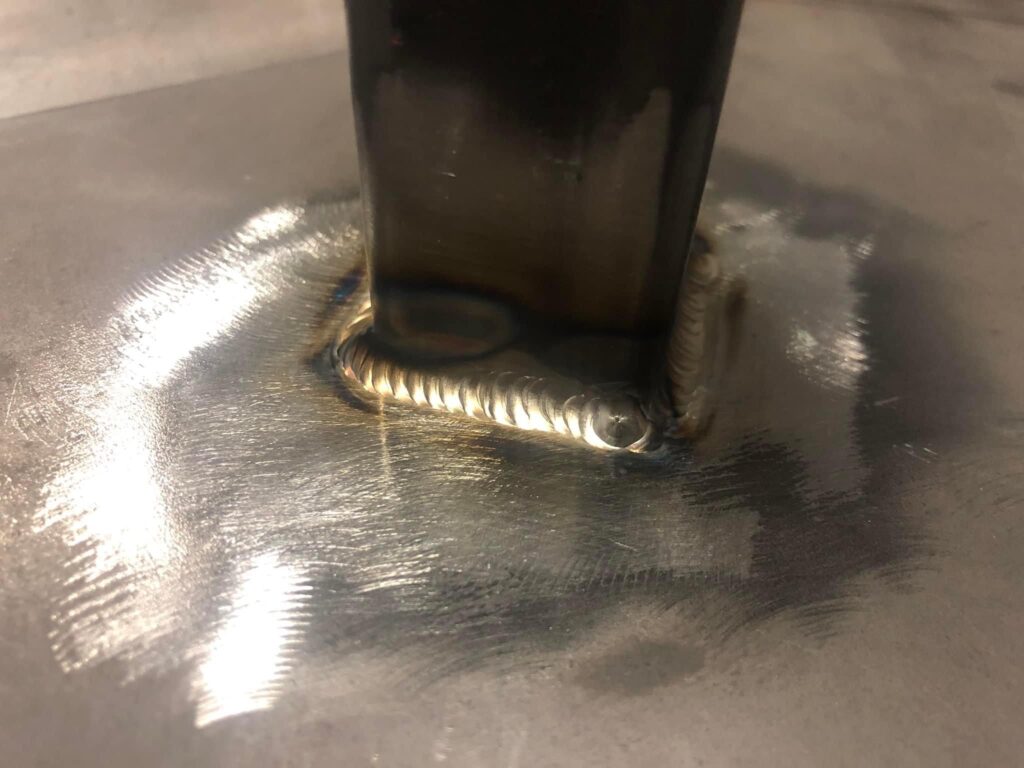
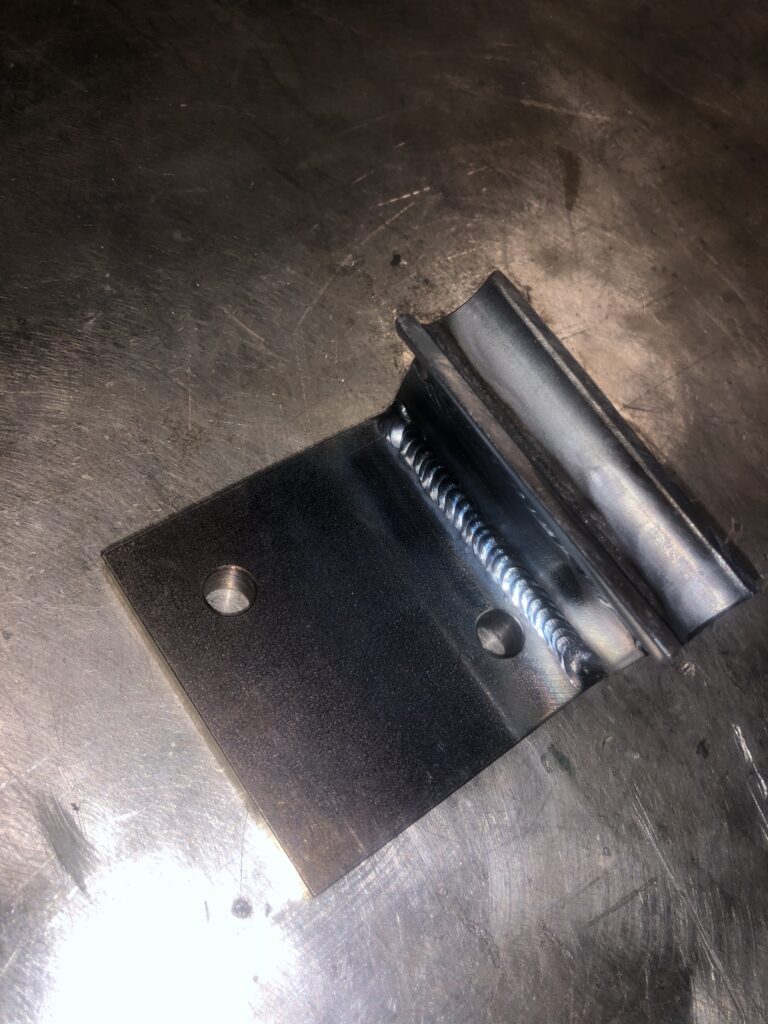
Steel Welding

Other Welding Services Available
- Weld Repairs
- Cast Iron Repairs
- …and Much More